
An ai party theme planner helps you move from a loose idea to a complete celebration concept. That matters when you know the mood but not the details. Maybe you want chic, playful, nostalgic, or dramatic. AI can help organize color, décor, food, activities, and styling into one cohesive direction. A strong AI-driven event design process saves time. It also reduces scattered decisions. You still lead the taste. The tool helps connect the pieces. That balance makes party planning feel more creative and less stressful.
Modern hosting has many moving parts. A theme is not just a name. It affects the invitation style, table mood, playlist, menu, lighting, and guest experience. AI helps you see those layers together. It can suggest combinations you might not consider alone. It can also simplify vague ideas into usable directions. You do not need to accept every suggestion. You select, refine, and personalize. That keeps the event human. The result feels planned without becoming stiff.
Mood should come before objects. Decide what guests should feel when they arrive. Relaxed. Glamorous. Cozy. Whimsical. Energetic. Romantic. Once the mood is clear, décor choices become easier. A party theme builder can turn that feeling into materials, colors, and layout ideas. This keeps the theme from becoming random. It also prevents buying decorations that do not work together. Mood creates the foundation.
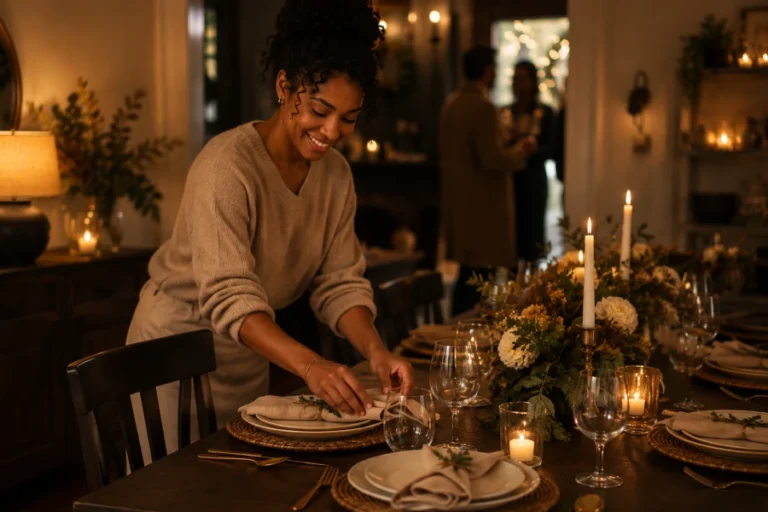
Different events need different levels of styling. A birthday can handle playful details. A dinner party may need warmth and elegance. A bridal shower might call for softness and polish. A milestone celebration may need memory-driven touches. AI can help adjust the same theme across these occasions. You can ask for casual, elevated, budget-friendly, or dramatic versions. That flexibility is useful. It helps the theme match the real event. Guests feel the difference immediately.
Cohesion is what makes a party feel designed. Colors should relate. Textures should support the mood. Food presentation should not fight the décor. Lighting should match the energy. A good prompt can organize these details into one visual language. Use theme mood board system thinking when reviewing outputs. Remove anything that feels off-tone. Keep the elements that repeat naturally. Repetition creates polish. Too much variety creates noise.
AI can generate many ideas, but taste decides what stays. Your home, guests, budget, and personality matter. A suggestion may be beautiful but impractical. Another may feel clever but not like you. Edit confidently. Swap colors. Simplify decorations. Replace activities that feel forced. The best theme feels natural in the space. It should support conversation, comfort, and celebration. Technology helps with structure, but your judgment creates charm.
A simple workflow keeps the process manageable. Start with occasion, guest count, location, and desired mood. Add three visual references in words, not copied images. Ask for color palette, table styling, food ideas, and activity suggestions. Then request a simplified version. Compare both outputs. Choose the strongest details. Finally, build a shopping and setup plan. This method keeps creativity organized. It turns inspiration into an event guests can actually experience.



Leave a comment
You must be logged in to post a comment.